Descrizione
Il museo di San Leonardo, sorto nel 2000, è dislocato lungo il matroneo delle claustrali benedettine, che vissero in questo luogo sacro.
La peculiarità dei manufatti d’arte ammirabili in tale contenitore culturale consiste nell’essere fruibili negli spazi in cui vennero utilizzati dalle religiose che li commissionarono; essi sono, dunque, lo specchio fedele di una temperie culturale-religiosa tanto locale quanto di respiro nazionale ed internazionale. A questo nucleo di oggetti d’arte sacra se ne affianca un altro, quello del pio sodalizio di San Giuseppe, confraternita attiva in San Leonardo.
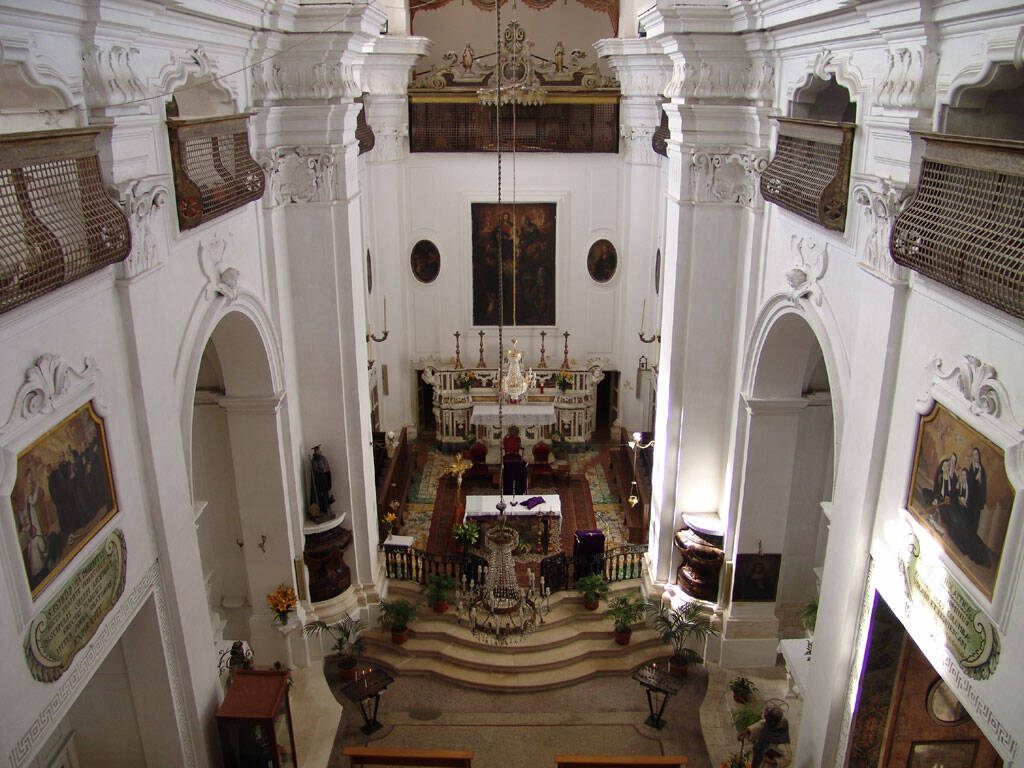
Il visitatore compie un viaggio nell’arte sacra dal XVI al XXI sec., nel corso del quale ammira una macchina delle quarant’ore e argenti, crocifissi, reliquiari, copribara, messali ed altro ancora. La suggestione suscitata da queste testimonianze artistiche è amplificata dalla cornice del matroneo, giocata dall’alternanza di zone d’ombra e di luce, da cui godere di una vista privilegiata dell’intera chiesa, in passato esclusiva delle Benedettine nere, le quali ne godevano nascoste agli sguardi degli astanti dalle grate ancora oggi in situ.

The museum of St. Leonard, built in 2000, is located along the matroneum of the Benedictine cloisters, who lived in this sacred place.
The peculiarity of the artefacts of art admirable in this cultural container consists in being usable in the spaces in which they were used by the religious who commissioned them; they are, therefore, the faithful mirror of a cultural-religious climate as much local as national and international. This group of sacred art objects is flanked by another, that of the pious association of St. Joseph, active fraternity in St. Leonard.
The visitor makes a journey into sacred art from the sixteenth to the twenty-first century, during which he admires a “forty hours machine” and silver, crucifixes, reliquaries, coffins, missals and more. The suggestion aroused by these artistic testimonies is amplified by the frame of the matroneum, played by the alternation of areas of shadow and light, from which enjoying a privileged view of the entire church, in the past exclusive of the black Benedictines, who enjoyed it hidden from the eyes of those who were standing by, from the grates, which even now are in situ.
Traduzione: Fabrizio Peconio, tirocinio formativo a.a. 2021/22 presso URP